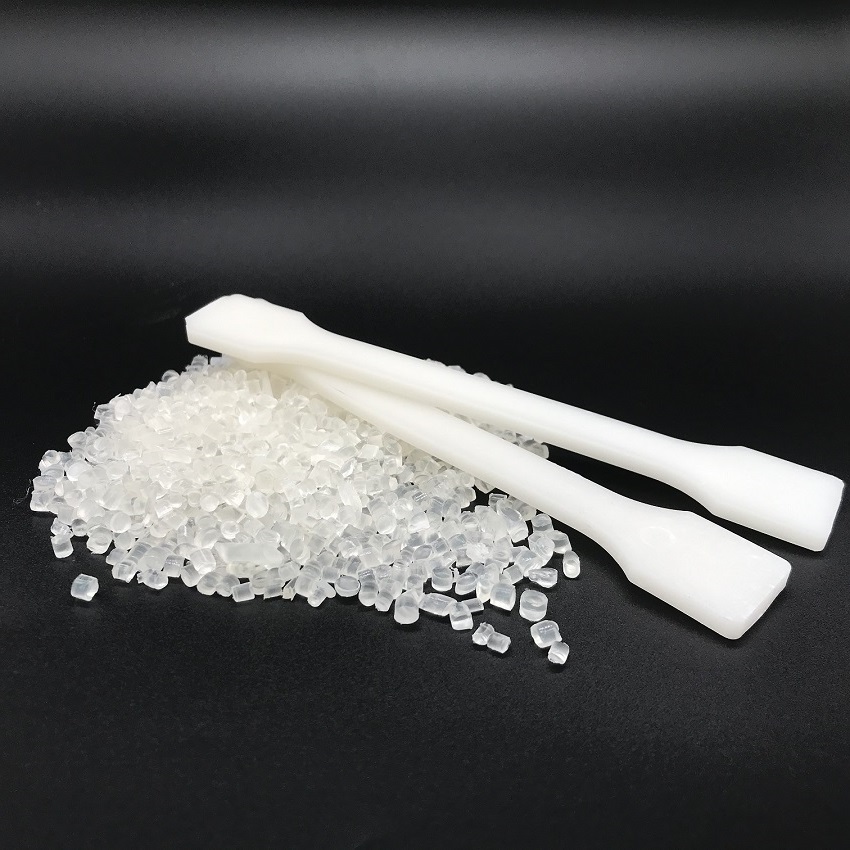
PRODUCTS
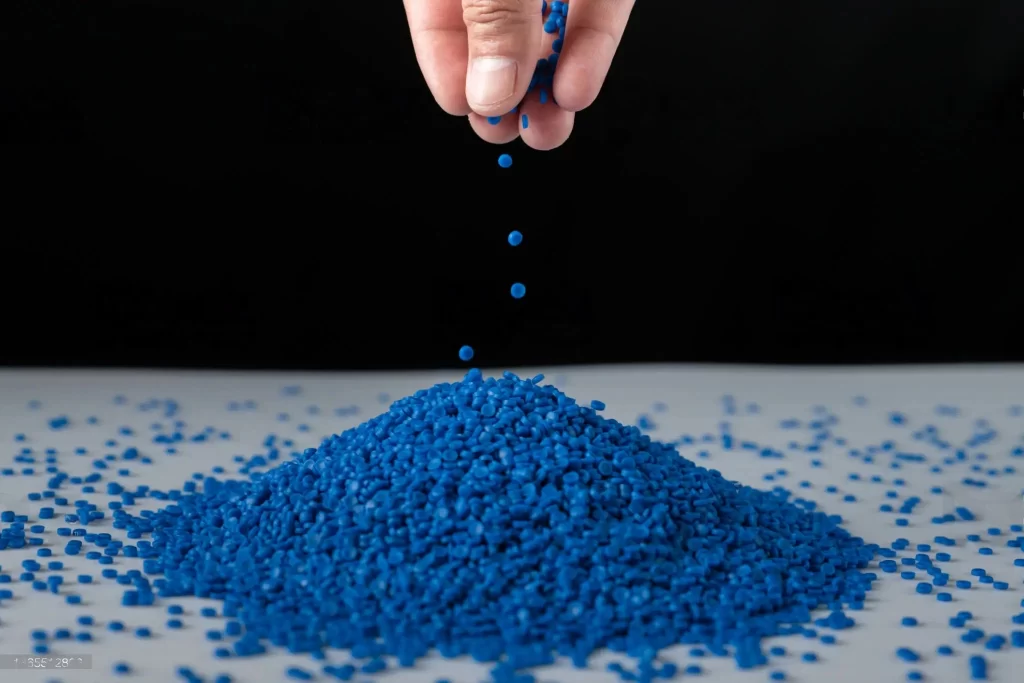
HDPE
HDPE stands for High-Density Polyethylene, which is a versatile and widely used thermoplastic polymer. HDPE is known for its high strength, impact resistance, and excellent chemical resistance,
making it suitable for a wide range of applications across various industries. HDPE is a high-density polymer, which means it has a higher density compared to LDPE.
LLDPE
LLDPE stands for Linear Low-Density Polyethylene. It is a type of polyethylene with a unique molecular structure that gives it different properties compared to LDPE (Low-Density Polyethylene) and HDPE (High-Density Polyethylene).
LLDPE is a versatile polymer with a broad range of applications due to its desirable combination of characteristics LLDPE is characterized by its linear molecular structure, which results in a more regular and uniform arrangement of its polymer chains.
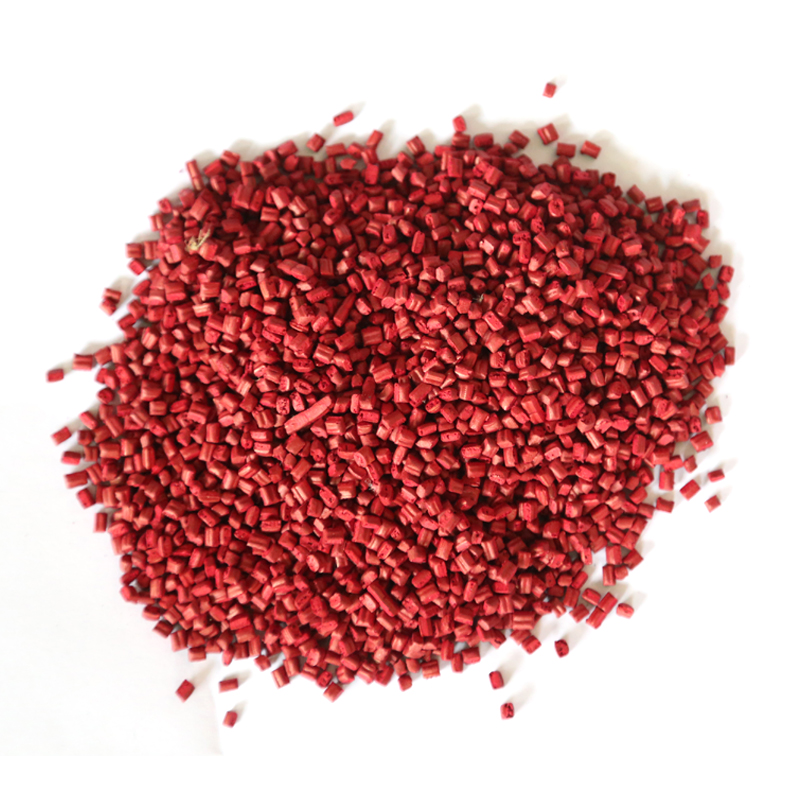
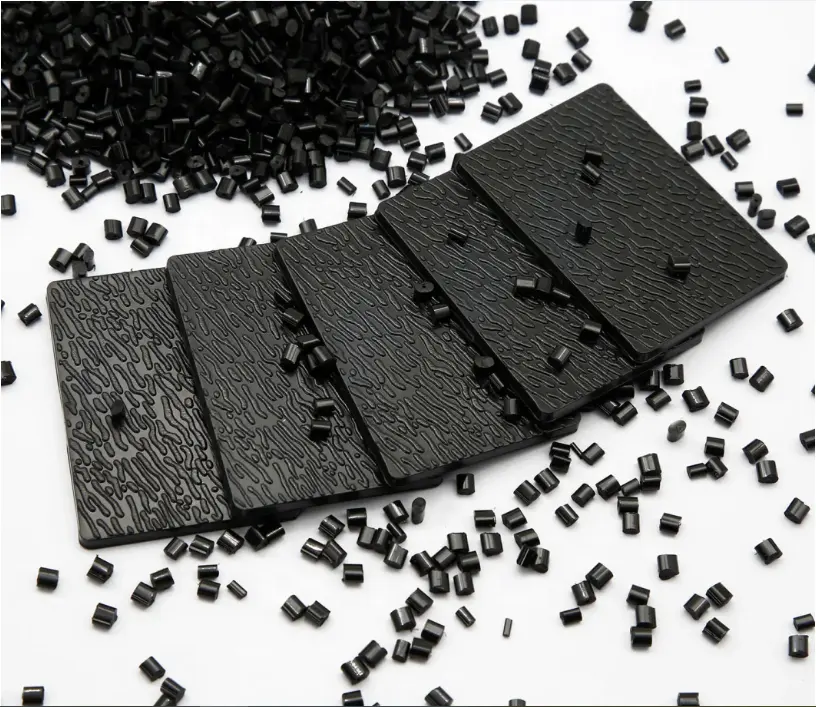
LDPE
LDPE stands for Low-Density Polyethylene. It is a type of thermoplastic polymer known for its
flexibility, low density, and high resistance to chemicals.
LDPE is widely used in various applications due to its favorable properties and cost-effectiveness. LDPE has a relatively low
density compared to other types of polyethylene, which makes it flexible and easy to mold.
ABS
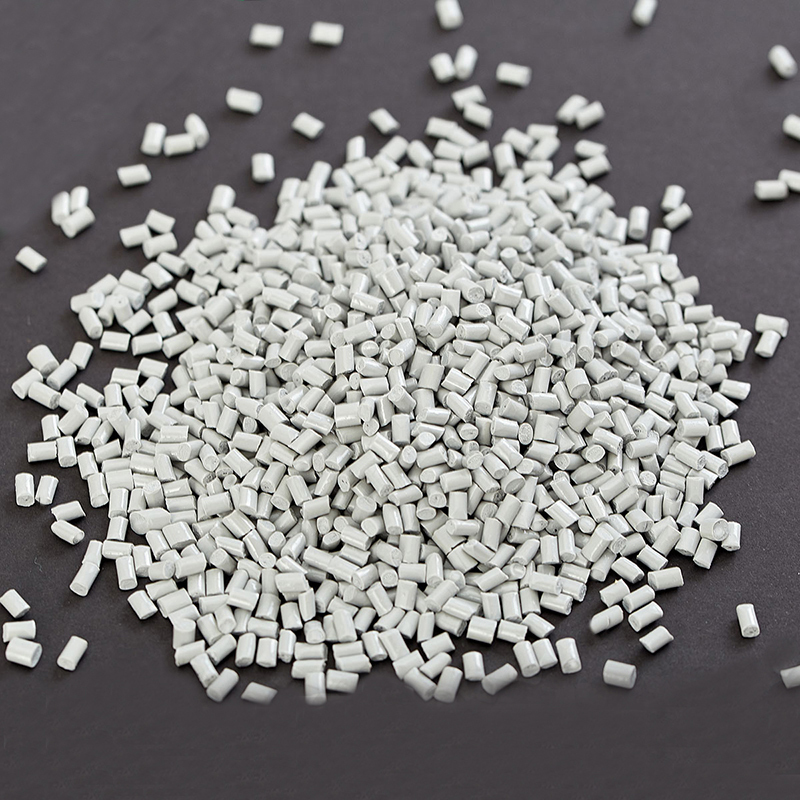
ABS stands for Acrylonitrile Butadiene Styrene, which is a common thermoplastic polymer known for its excellent mechanical properties and versatility. It is a copolymer made by polymerizing styrene and acrylonitrile in the presence of polybutadiene.
The combination of these three monomers results in a material with a unique set of characteristics, making ABS widely used in numerous applications It is commonly used in consumer electronics, such as computer keyboards, printers, and housings for various devices Overall, ABS is a popular choice for applications that require a balance of strength, impact resistance, and heat tolerance.
SAN Resin
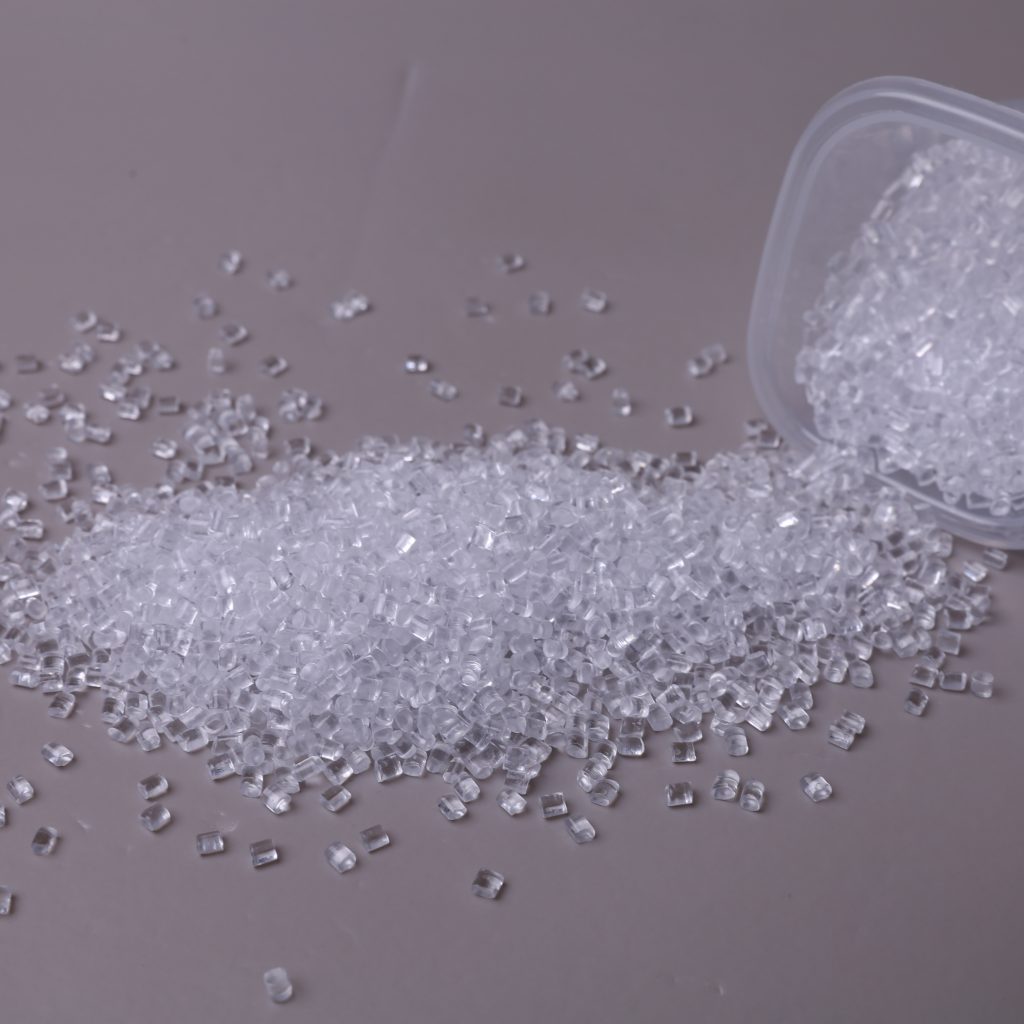
SAN stands for Styrene Acrylonitrile, which is a copolymer resin made by polymerizing styrene and acrylonitrile monomers. It is a transparent thermoplastic material known for its excellent clarity, chemical resistance, and mechanical properties.
The combination of styrene and acrylonitrile in the polymer chain gives SAN its distinct characteristics, making it suitable for various applications SAN is used in the production of various consumer goods, such as transparent containers, kitchenware, and optical lenses
PA6/ NYLON RESIN
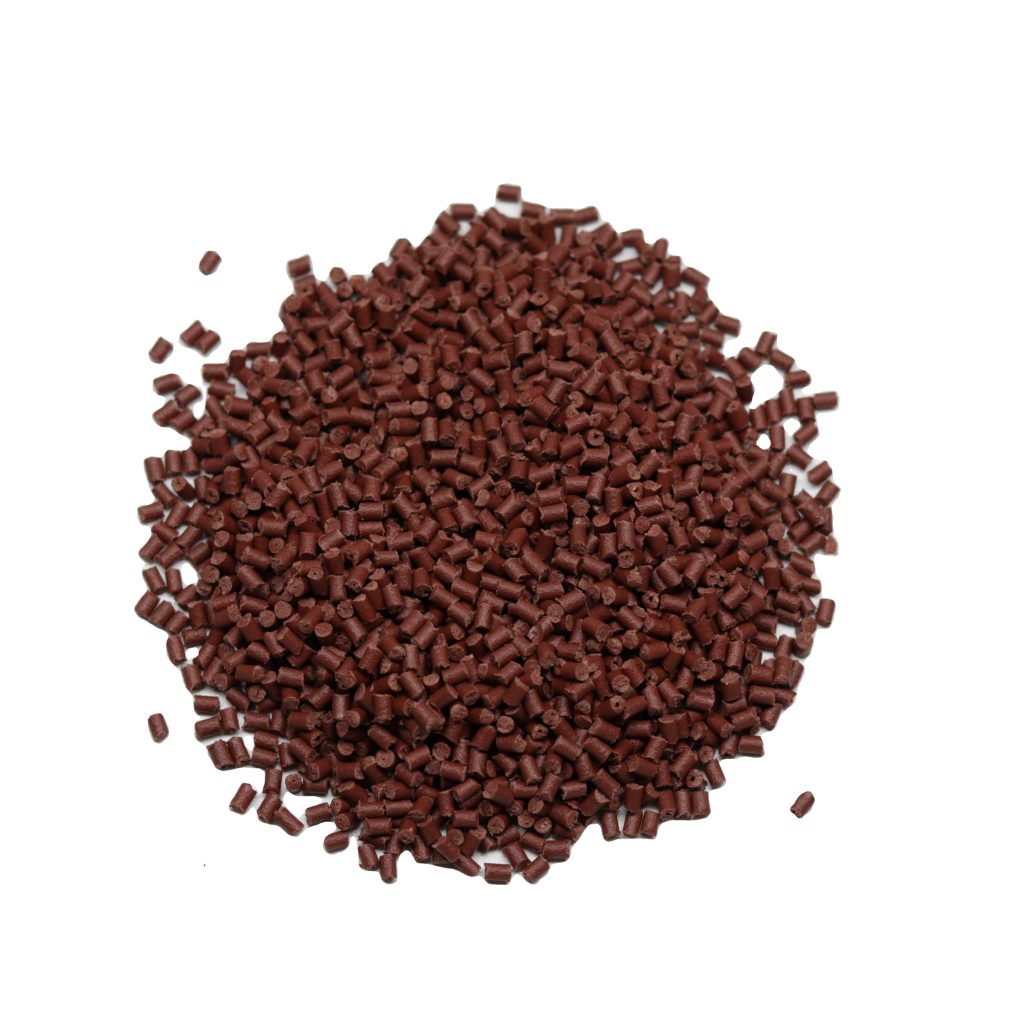
PA6, also known as Nylon 6, is a popular thermoplastic resin from the nylon family. It is a synthetic polymer made from the polymerization of caprolactam monomers. Nylon 6 is known for its excellent mechanical properties,
high strength, good wear resistance, and low friction coefficient, making it suitable for a wide range of applications across various industries Overall, PA6/Nylon resin is a versatile and widely used material with excellent mechanical properties.
PP RESIN
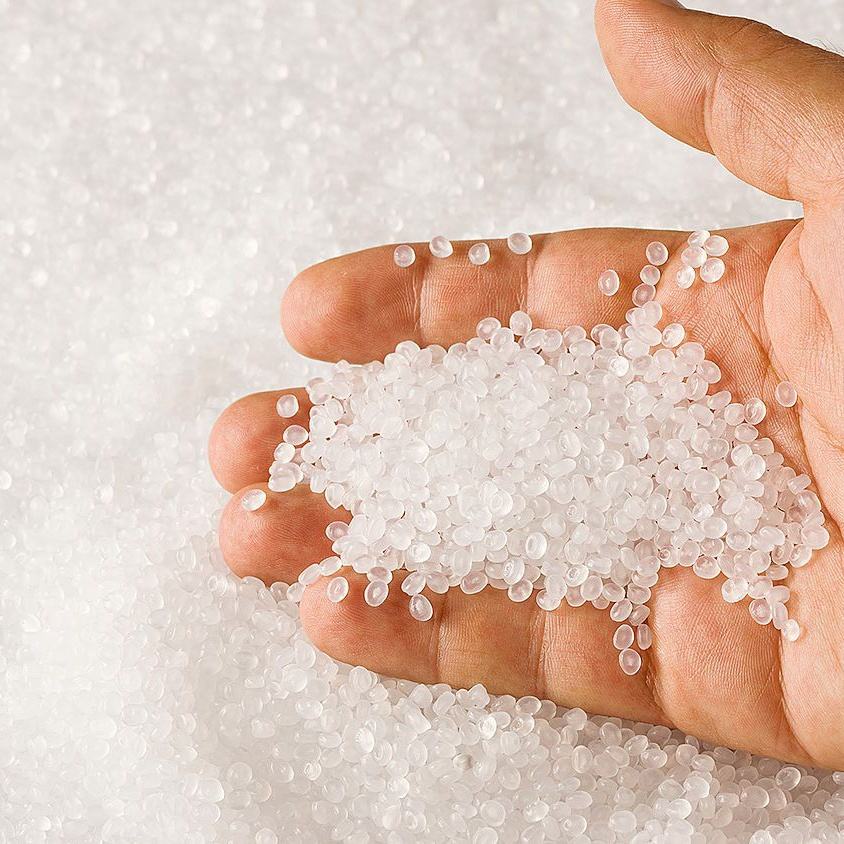
PP stands for Polypropylene, which is a widely used thermoplastic polymer known for its versatility, durability, and cost-effectiveness. It is a synthetic resin made from the polymerization of propylene monomers.
Polypropylene is one of the most commonly produced plastics globally and finds numerous applications in various industries PP resin is a versatile and widely used material with a wide range of applications in industries ranging from packaging to automotive and beyond.
PC RESIN
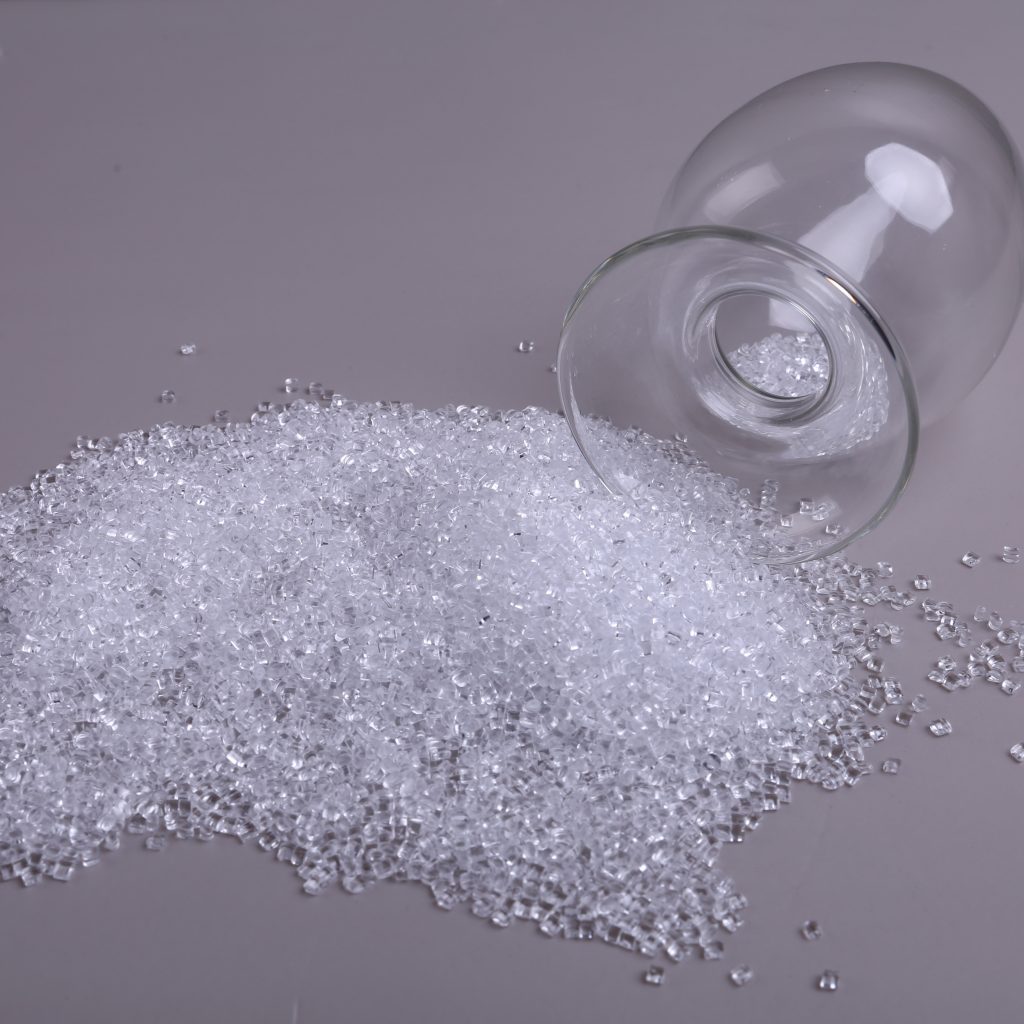
PC stands for Polycarbonate, which is a transparent, strong, and versatile thermoplastic resin. It is a synthetic polymer made from the polymerization of bisphenol A and phosgene, resulting in a linear and highly durable material.
Polycarbonate is widely used in various industries due to its excellent combination of properties and is known for its impact resistance, optical clarity, and high heat resistance PC resin is a versatile and widely used material known for its impact resistance, optical clarity, and high heat resistance.
PP RC PIPE GRADE
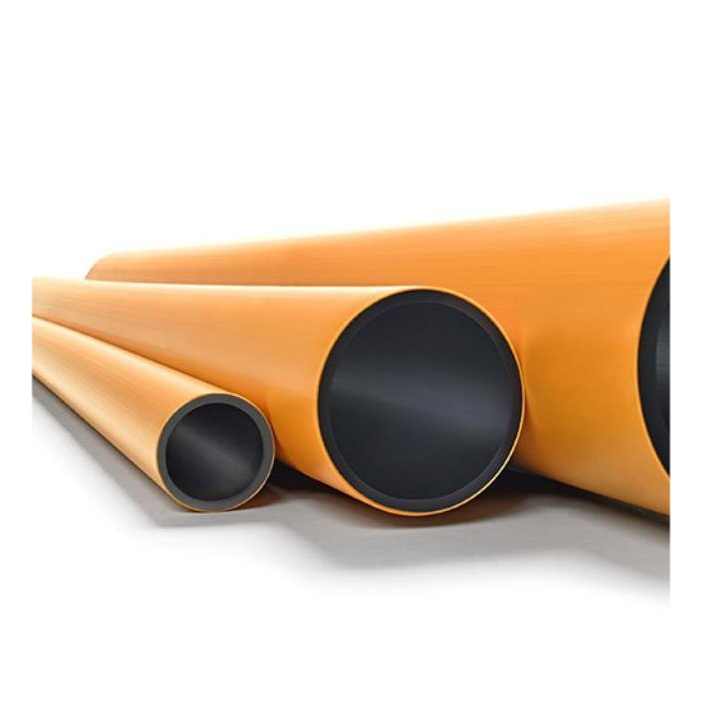
PP RC PIPE GRADE PP RC stands for Polypropylene Random Copolymer, and it refers to a specific grade of polypropylene used in the manufacturing of pipes. Polypropylene is a popular thermoplastic material known for its durability,
chemical resistance, and cost-effectiveness.
Polypropylene Random Copolymer is a type of PP resin that contains random copolymerization of propylene and ethylene monomers, which helps enhance its properties for certain applications.
TiO2
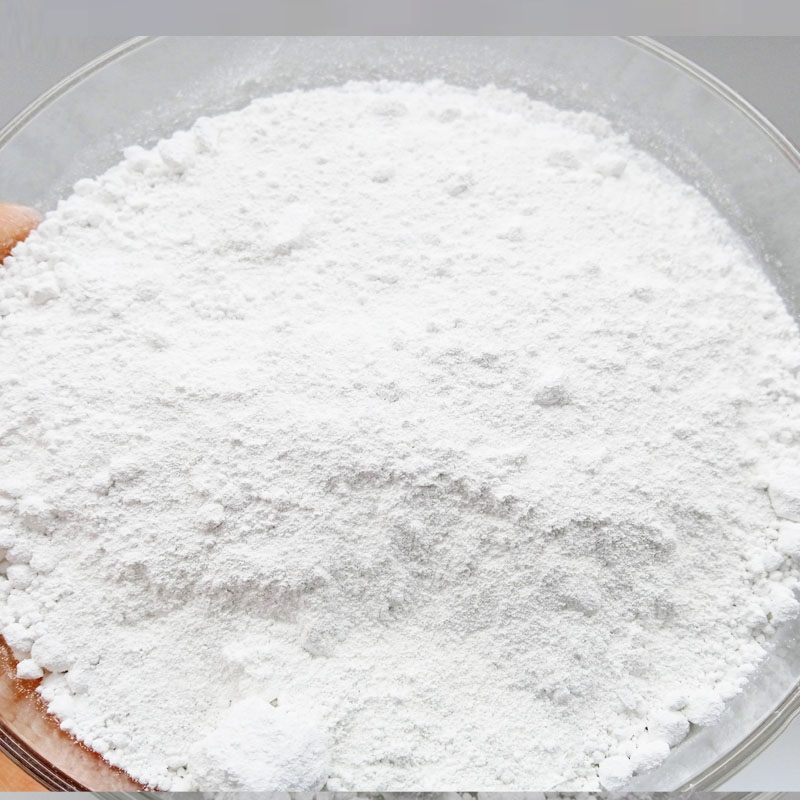
TiO2 stands for Titanium Dioxide, which is a naturally occurring oxide of titanium with the chemical formula TiO2. It is a white, powdery substance commonly used as a pigment in various
industries due to its exceptional brightness,
opacity, and whiteness Titanium Dioxide is a bright white powder that gives a pure white color to materials when used as a pigment. It is often referred to as the “whitest white” and is widely used to impart whiteness in paints, coatings,
VAM
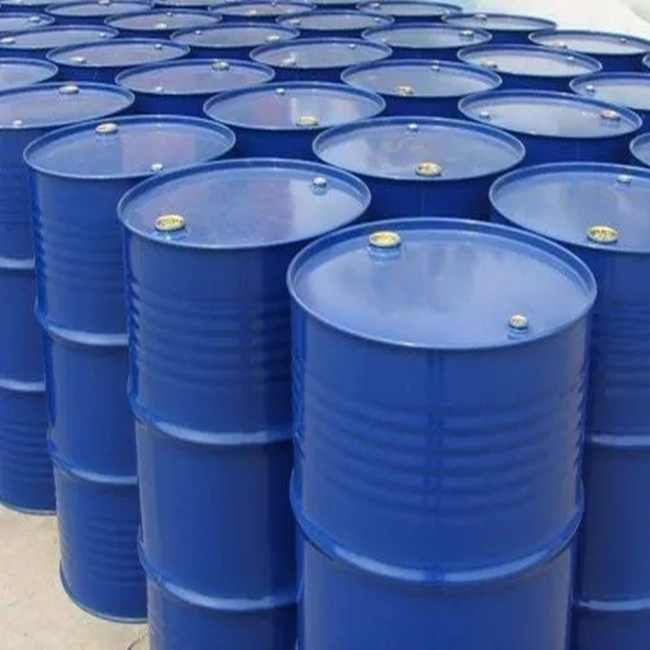
VAM stands for Vinyl Acetate Monomer, which is a key chemical compound used in the production of various products and materials. It is a colorless liquid with a pungent odor and the chemical formula CH3COOCH=CH2 VAM is primarily produced through the reaction of acetic acid (CH3COOH),
with acetylene (C2H2) in the presence of a catalyst. It is an important
intermediate in the manufacturing of various polymers and copolymers VAM is a crucial building
block in the chemical industry,
PVA
PVA stands for Polyvinyl Acetate, which is a synthetic polymer and a type of thermoplastic resin. It is formed by the polymerization of vinyl acetate monomers. PVA is a popular and versatile material known for its adhesive properties and is commonly used in various applications,
especially as an adhesive and in the production of emulsion paints and coatings PVA is well known for its excellent adhesive qualities, particularly in bonding porous materials like wood,
paper, fabric, and cardboard.